

Who is getting the wage rise?
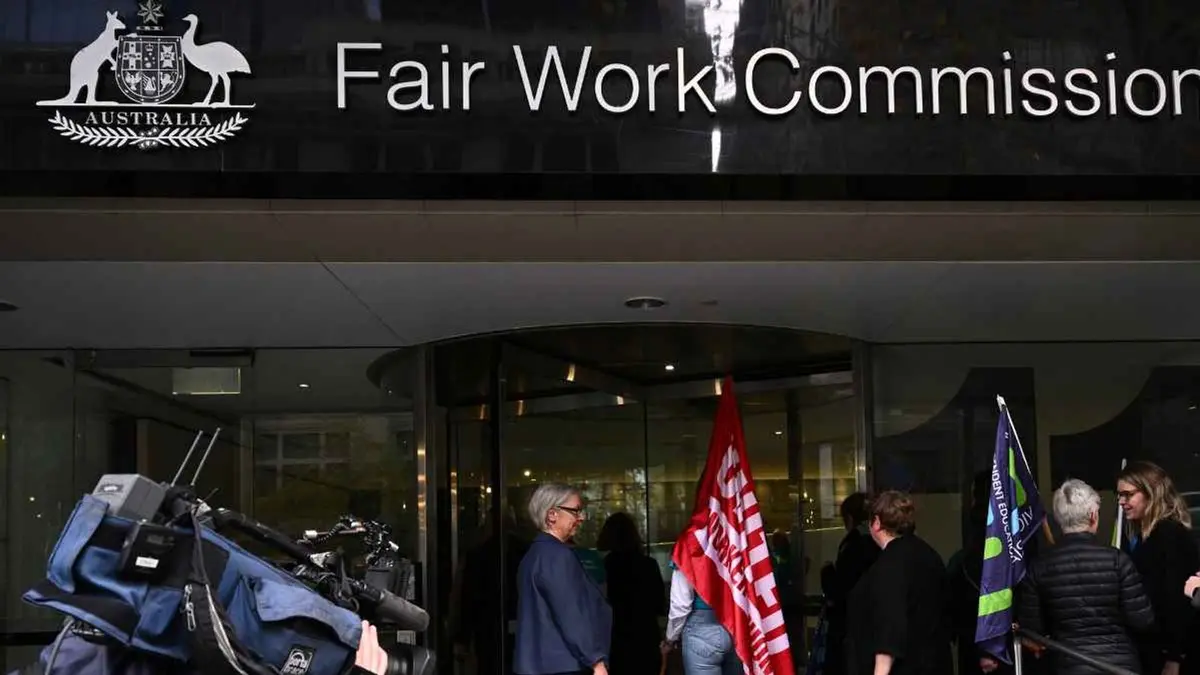
The Fair Work Commission has announced a 6% increase to the minimum wage and a 4.75% increase for award wage earners. Here's how to make sure you get yours.
The Fair Work Commission announced its Annual Wage Review decision today and will raise minimum and award wages by at least 4.75%.
What it means for minimum wage earners in dollar terms
The increase will mean the minimum wage will be lifted to $26.44 per hour, or $1004.90 per week for full-time workers – an increase of about $56.90 per week. It will bring some welcome relief to about 2.8 million workers on minimum and award-reliant wages.
Read more about the announcement on ABC News.
When will I get my pay rise?
When and how you receive your new pay rate can depend on how you are employed. If you are on minimum or award wages, you will receive your pay rise in the first full pay cycle after 1st July 2026.
Remember to check your payslips during July to make sure the increase has been added. Wage theft and pay ‘mishaps’ are common in Australia and when underpayment is deliberate, it is a crime. If you don’t see the increase, approach your manager, payroll officer. If you get no response, keep all records of your efforts and contact UWU for help. We regularly help members with underpayments and reimbursement of money they are owed.
How will this increase affect my award?
The minimum wage acts as a standard that all other wages are tied to. So, if the lowest wage goes up, your award rate will also increase. Make sure you check your payslip in the first full pay cycle after the 1st of July. If you’re not seeing your pay increase, you should approach your employer or payroll officer. If they don’t respond, keep all your records (payslips, phone calls, emails) and call our Member Rights Team as soon as possible if you need help chasing any underpayments.
I already earn above award wages
If your pay rate is above the award, it’s likely you are paid under a workplace agreement. Many union members are employed under an enterprise bargaining agreement (EBA). An EBA is an agreement between workers and an employer to set conditions and rates of pay over a 3-4 year period. Find out more about agreements and awards here. Unions regularly negotiate EBAs to secure better pay and conditions for workers. Just last year UWU finalised hundreds agreements. EBAs are usually set above the award so that wages stay above inflation for the life of the agreement (usually about 3 years so we can forecast likely inflation rates). That’s why you will see pay increases built in for each year of the agreement. Check your workplace agreement and you will find a table at the end showing your annual wage increases. Don’t have a copy of your agreement? You can find it here, or ask your union delegate (if you have one) for a copy.
My pay is set by a workplace agreement. Will I get a pay rise in July too?
It depends. Most agreements have been negotiated with inflation in mind and so are set above award minimums. If your pay rate falls below the award minimum, it must be increased to at least meet the minimum standard. This is known as the Better Off Overall (BOOT) test. If your wage falls below the minimum standard for your type of work, it must be raised. When your workplace agreement expires, and you and your coworkers start negotiating for the next one, you can argue for an even greater pay increase using the most recent FWC decision as your basis.
I don’t know if I’m on an award or agreement. How do I check?
The Fair Work Ombudsman website has some resources for workers to find your award or your agreement. There is also a searchable database of agreements on the FWC website. If you want to understand more about how awards and agreements work and how unions can help workers win higher pay, read our explainer on the topic, Do you think you’re paid enough?